


 Can luxury be no-frills, or is that the ultimate contradiction? Luxury is defined as “showing obvious signs of wealth and comfort.” No-frills, by contrast, means stripping down to essentials, with nothing fancy—no embellishments. Yet some brands have discovered a sweet spot: offering splendor without the excess. No-frills luxury saves consumers money while delivering a remarkable experience.
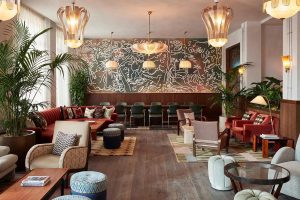
Take The Hoxton, a boutique hotel chain with an “open-house” strategy. The concept blends private rentals, hostels and hotels, welcoming both travelers (“tripsters”) and locals (“townsters”). Guest rooms are small, practical and designed primarily for sleep. The real draw is the lobby: a buzzing social hub, open round the clock, with comfy seating, bars and restaurants.
The Hoxton redirects resources from opulent rooms to exceptional shared spaces, creative food and drinks—from rooftop taquerias to discreet speakeasys. Each location—from Berlin to Los Angeles—is uniquely situated, mixing local vibes with stylish interiors. A stay in Berlin may cost under €200, while Chicago runs about $400, but all provide a consistently memorable experience without over-the-top frills.
Luxury in simplicity also thrives in no-frills fine dining. Restaurants like Joël Robuchon’s L’Atelier and David Chang’s Momofuku strip away formality—no tablecloths, minimal silverware, no reservations and seating at bars or communal tables. The focus is on food: quail stuffed with foie gras or creative tasting menus. Guests can linger for three hours or finish a dish in 30 minutes. The result is social, fast, and fun, yet still Michelin-starred. Even smaller operations like Spencer in Ann Arbor, Michigan, offer gourmet meals at communal tables, priced under $70, proving excellence doesn’t require extravagance.
The fitness world has its own no-frills luxury examples. Anytime Fitness cuts out the unnecessary while delivering a premium experience. With 5,000 locations open 24/7, secure access, spotless facilities, high-quality equipment replaced every three years, private showers and bright, well-designed spaces, members feel like owners in a private club. Minimal staffing, no towel service and no crowded classes keep costs low, making memberships around $60 per month incredibly flexible. Members follow a few simple rules, and the club runs efficiently while feeling upscale.
These examples differ from “affordable luxury.” Kate Spade or Michael Kors may be cheaper than other high-end brands, but they’re still full of frills. Glamping is pricey but adds spectacle rather than cutting excess. No-frills luxury isn’t a contradiction. It’s about stripping away the superfluous while enhancing what matters. The Hoxton emphasizes shared spaces, an inviting vibe and location over massive, over-serviced rooms. Robuchon and Chang focus solely on food. Anytime Fitness provides a private-club experience at regular gym pricing.
Luxury and simplicity can coexist. No-frills luxury brands prove that excellence doesn’t require extravagance—just thoughtful design, attention to what truly matters and a focus on the guest or customer experience. Stripped-down, smart, and still splendid: that’s the future of accessible, no-frills luxury.


