


Litigation is not reconciliation.
Sometimes it’s required, but litigation is rarely the first choice.
When governments fail to consult properly or adequately recognize rights, litigation can become a necessary tool for accountability.
At the heart of our work involving First Nations and economic development is a simple idea: economic reconciliation must reconcile the interests of both Indigenous and non-Indigenous Canadians. The image of a handshake — two sides coming to the table with clarity, respect
and shared understanding — captures our view that the goal is not to force consensus but to create conditions where all parties can move forward with greater certainty, security and shared prosperity.
We represent clients seeking legal clarity and improved outcomes, particularly in matters involving First Nations and economic development.
In Manitoba’s evolving legal landscape, some of the most significant disputes concern consultation, rights and the ability of First Nations to participate meaningfully in decisions affecting their lands and economic future. Our firm has experience, flexibility and a willingness to invest in and lead in doing this work the right way.
Our First Nations work often involves claims against Canada, Manitoba and municipalities where consultation has been inadequate or rights have not been fully recognized.
Those disputes are often closely tied to economic development. For First Nations, issues involving land, resources and consultation can determine whether a community has a meaningful voice in projects shaping its future.
The deeper problem is not litigation itself but the failure of governments and public entities to engage properly with First Nations.
In the most recent First Nations mineral rights dispute, as with all claims we have advanced on behalf of First Nations, we believe the boardroom —not the courtroom — is the better place to resolve these issues. Direct engagement and dialogue advances reconciliation and leads to better, more durable outcomes.
Economic reconciliation is more than a slogan. It requires a framework in which First Nations can participate fully in the province’s economic life while other stakeholders operate with greater clarity and stability. Litigation fits into that framework only when governments fail to meet their obligations and it cannot replace the engagement reconciliation demands.
We believe in balancing principle and pragmatism and that doing the work properly means building relationships, earning trust, understanding history and engaging directly with communities. That is what makes meaningful economic reconciliation possible — and what delivers certainty, security and growth for all Canadians.
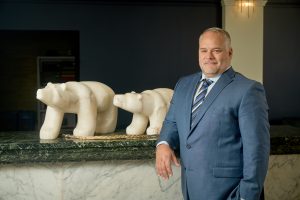
Faron Trippier, a lawyer in Manitoba for 27 years, founded Trippier Law in 2023. The firm recently welcomed Brian Meronek, K.C. as
Senior Counsel, and Kris Saxberg as General Counsel.
