


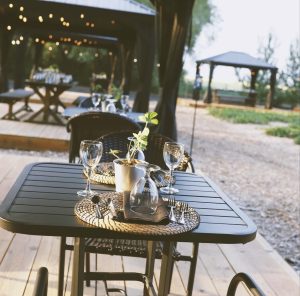
Manitoba’s Indigenous culinary sector is growing, with chefs and entrepreneurs building successful businesses that celebrate culture, strengthen communities and introduce diners to traditional ingredients in new ways.
From Winnipeg restaurants such as Promenade Brasserie, Sharecuterie and Bistro on Notre Dame to Indigenous Kitchen’s popular food truck and destination dining experiences at Prairie Berry and Buffalo Point Resort, Indigenous owned food businesses are creating opportunities while showcasing the diverse culinary traditions of First Nations and Métis communities.
One word comes up repeatedly when speaking with Manitoba’s Indigenous chefs and restaurant owners: nurturing.
The term perfectly captures both the food they serve — rooted in traditional First Nations and Métis recipes and ingredients — and the welcoming experiences they create for guests.
Promenade Brasserie
At Promenade Brasserie in St. Boniface in Winnipeg, owner Jay Lekopoy serves Métis-inspired comfort food in a relaxed, community- focused setting.
“I want people to come in and know they are welcome, that this is their community spot,” he says.
One of the restaurant’s most popular breakfast dishes is the whipped ricotta scramble — fluffy scrambled eggs with ricotta cheese over crispy Brussels sprouts, topped with lemon juice and Parmesan cheese.
“It’s a dish that is satisfying and nurturing but doesn’t slow you down for the day,” Lekopoy says.
At lunch, customers often order pork belly with apple jus, rice, pickled cabbage, pickles, cucumber, roasted carrots and parsnips and chipotle aioli. The menu highlights local and traditional ingredients and changes with the seasons. Specialty dishes, such as wild boar chop, sourced from a local farmer, showcase the creativity of chef Cameron Hornby and Lekopoy’s passion for food history and food systems.
“I love that I get to go home every day with a handful of stories about people’s lives and know I am providing a space that is important to them,” Lekopoy says. “One of the biggest motivations for starting this restaurant, and for being here every day, is exploring what it means to participate in the birthplace of the Métis while creating a modern space that Winnipeg, Manitoba and Canada can call its own.”
Indigenous Kitchen
Tara Hall operates one of Manitoba’s most distinctive food trucks. Inspired by her Saulteaux-Ojibwe upbringing, the menu features fried bread, bison burgers, pickerel, Indian tacos, tacos in a bag, specialty fries, wraps and seasonal Saskatoon berry cheesecake and milkshakes.
While studying culinary arts at Red River College, Hall developed a business plan for an Indigenous themed food truck — something Winnipeg did not have at the time. Seven years ago, she launched Indigenous Kitchen. The business operates seasonally from April to October and attends major events, including the Red River Exhibition and Winnipeg Folk Festival.
When not at festivals, the truck serves customers at the Oodena gas station at Taylor Avenue and Kenaston Boulevard.
Hall learned to make fluffy bannock from her great-grandparents and it remains one of her most popular menu items. Her bannock bison burger is the top seller.
“There are not many people in this generation who know how to make real bannock,” she says. “I wanted to bring traditional food that isn’t offered at other food trucks.”
Hall measures success simply.
“If customers leave full and happy, then I’m satisfied,” she says. “We make sure people leave happy with what they’re eating and feel they are
getting good value for their money.”
One of the biggest challenges she faces is criticism from within her own community.
“My own people are often the biggest critics of the business I’m in,” she says. “Other Indigenous businesses experience the same thing. Many
Indigenous women entrepreneurs face similar challenges when starting or running a business.”
Despite those challenges, Hall is expanding. She plans to open a permanent Indigenous Kitchen restaurant in a new retail development at Kenaston Boulevard and Taylor Avenue this fall, creating a year-round location for customers and a new stage of growth for the business.
Sharecuterie
As an Indigenous- and woman-owned business, Sharecuterie, with locations on Stafford Street and at The Forks, is rooted in hospitality, community and creating welcoming spaces.
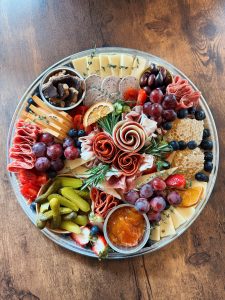
The company specializes in elevated grazing experiences through curated charcuterie boards, handcrafted cocktails and café offerings. Its menu emphasizes connection and sharing, with a focus on presentation, quality ingredients and inclusivity.
“What sets us apart is our ability to create visually beautiful, approachable food experiences while accommodating a wide variety of dietary needs,” says owner Cassandra Carreiro.

The restaurant’s signature sharecuterie boards remain customer favourites. Its bannock sharecuterie sandwich — featuring three types of meat, cheese, white wine herb mustard and mango harissa jam — has quickly become a standout.
Carreiro draws inspiration from travel, dining experiences, local ingredients and emerging food trends.
Like many restaurant owners, Carreiro faces rising food and labour costs while navigating economic uncertainty. Still, she sees opportunities in creating unique, experience-driven dining concepts.
“There’s something special about creating food that becomes part of people’s celebrations, conversations and memories,” she says.
For Carreiro, future growth includes expanding catering services, strengthening the company’s presence
at both locations and continuing to build a brand that showcases Indigenous entrepreneurship through innovative food experiences.
Prairie Berry
Prairie Berry is a Métis-owned family business in Glenlea, about 10 minutes south of Winnipeg, on the 24-acre strawberry farm where Jen Turenne grew up and now lives with her husband, Matt, and their children, Nixi and Cruz.
Originally a strawberry u-pick operation, the family paused the program six years ago to rotate crops and launched farm-to-table dining
experiences instead.
The events feature three- to seven course meals served directly in the strawberry patch during the brief harvest season at the end of June. Guests dine among the berries while local chefs create menus that incorporate strawberries into every course using fresh Manitoba ingredients.
The concept transformed a seasonal agricultural operation into a sought after culinary destination, attracting guests from across Manitoba and beyond. This year marks the final season for the popular dining experience.
“We planned to host the dinners for only a few years, but they kept growing every year,” Turenne says. “We’re hosting our final season because we will be planting berries again next year and reopening the u-pick in 2028.”
The farm attracts many repeat visitors looking for an experience that differs from traditional restaurant dining.
“Our farm-to-table dinners are served in gazebos in the strawberry patch, so guests get the outdoor farm experience with an added touch of
fine dining,” Turenne says.
Manoomin Restaurant and Onishkann Café
For the past four years, Red Seal chef Jennifer Ballantyne has offered a menu that blends familiar favourites with the traditional ingredients and recipes she grew up with on Opaskwayak Cree Nation.
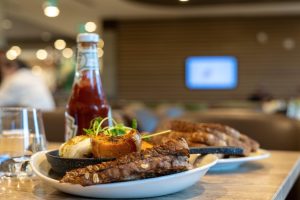
Located inside the Wyndham Garden Winnipeg Airport hotel, Manoomin Restaurant and Onishkann Café prepares everything in-house and from scratch. The menu changes regularly. Popular breakfast items include eggs Benedict served on baked bannock with a choice of toppings, wild berry barbecue sauce and crispy onions. The bison skillet features two Nature’s Farm eggs, seasoned bison meatballs, fire-roasted tomato sauce, Parmesan cheese, house-cut hash browns and a choice of grilled harvest grain bread or bannock crostini. Recent additions include elk pot pie and handmade roasted tomato and squash ravioli.
Ballantyne says food has always been her calling.
“We all have the same connection when it comes to food. It brings people together and always has,” she says.
She also takes pride in mentoring the next generation of Indigenous chefs.
“When I see young chefs start to shine, succeed and get excited, that’s a beautiful feeling,” she says.
As Indigenous cuisine gains wider recognition, Ballantyne sees growing opportunities for young chefs to build careers while sharing their cultures through food.
“There are so many different traditions under the Indigenous umbrella. There is tremendous opportunity for growth, and more people are finding their voices and showcasing what they have to offer.”